
Novel technology prevents complications following cataract surgery

Novel technology prevents complications following cataract surgery

About cataract surgery

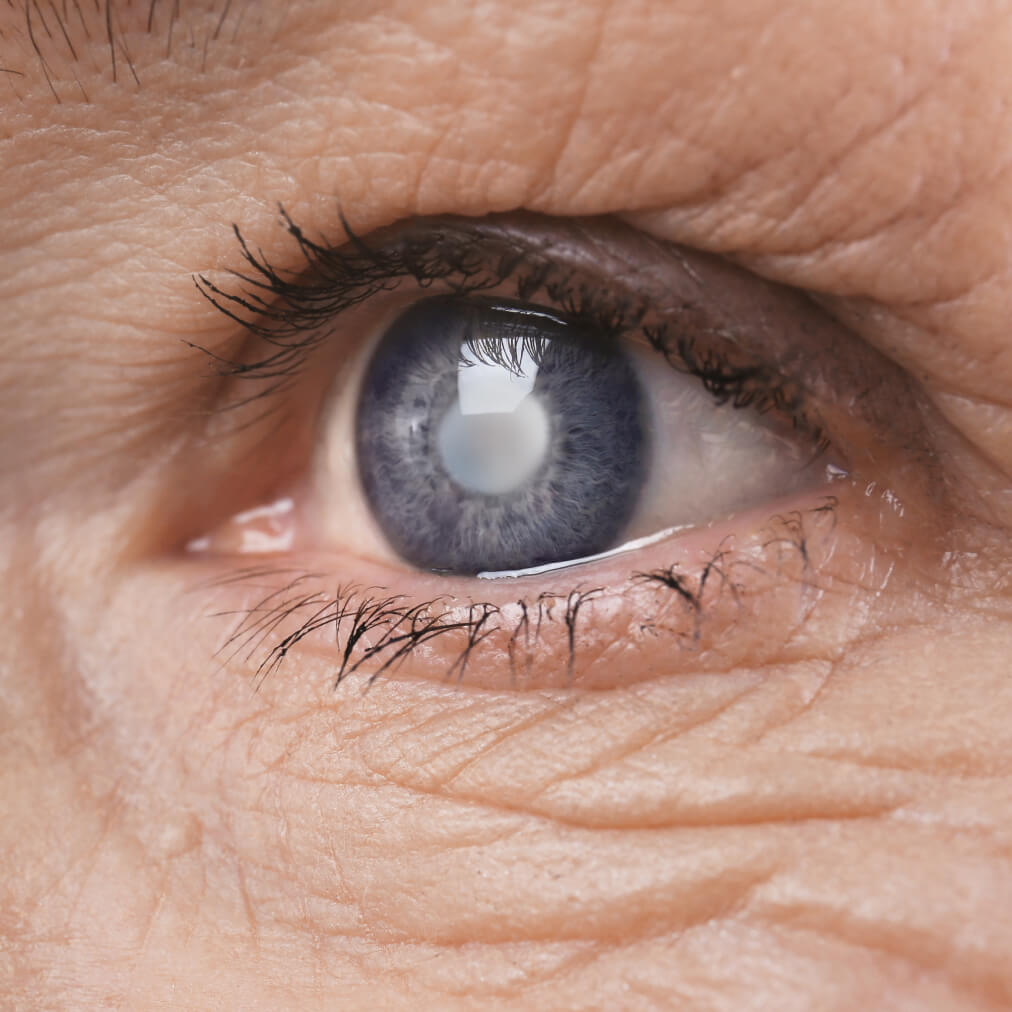
Cataract surgery is one of the most common types of surgical procedure in the world. Every year, more than 20 million people around the world (including >4.3 million in Europe alone) undergo this operation – in which the clouded lens is removed from the eye and replaced with an artificial intraocular lens (IOL). 

With the advanced techniques used today in developed countries, success rates of cataract surgery are very high. However, 1.5-2% of the procedures lead to a complication known as chronic corneal edema, causing pain and loss of vision, and requiring corneal transplantation.

Our innovation

To significantly reduce or even prevent postoperative corneal edema, electrical engineers at HIT collaborated with their colleagues in the Faculty of Design and ophthalmologists at the Rabin Medical Center, to develop a novel medical technology: Ksense, a first-of-its-kind patent-pending sensor enabling precise monitoring of the corneal tissue during surgery, to provide the surgeon with real-time alerts and prevent damage to the endothelial cells that protect the cornea.

We believe that by making cataract surgery safer and facilitating immediate recovery, our technique can make the procedure even more attractive, especially for apprehensive patients who tend to avoid it. Another sector likely to benefit from our innovation are insurance companies, expected to save a great deal on coverage of repair procedures and lost workdays. 


For more information please contact:

Dr. Amir Handelman, +972-52-8225907, handelman@hit.ac.il